Boyéi bolámu! Welcome!
Are you curious about the Lingala language? You’ve landed in the right place! At LingalaVision, we’re absolutely thrilled to help you explore the rich vocabulary of this beautiful Bantu language.
A language that carries the heart of Central Africa. Lingala is spoken by over 70 million people across five countries, a language of music, community, and resilience.
Today, Lingala influence continues to expand, largely due to the lively music culture surrounding it, especially the beloved genre of rumba. But Lingala is more than just a music language! It’s a reflection of the rich cultural heritage of its speakers. From the joyful beats of music to the art of storytelling and traditional practices, Lingala is as a way for sharing and preserving cultural expressions.

Language family

Speakers

Script

National language

Famous for
LingalaVision focus
Spoken in
Where is Lingala spoken?
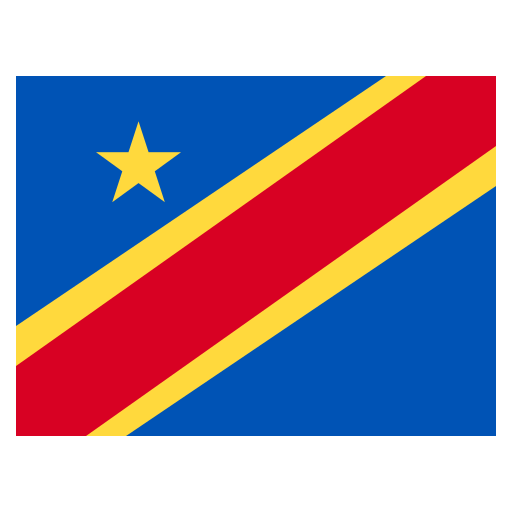
DR Congo

Rep. of Congo
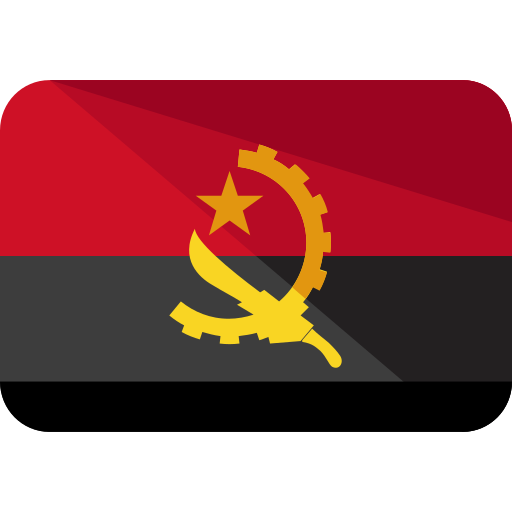
Angola
Gabon
Central African Republic

Diaspora worldwide
The Language
More than words : a living heritage
Lingala is a Bantu language born along the banks of the Congo River. It grew from a trade pidgin into one of the most widely spoken languages in Central Africa, carried by merchants, soldiers, missionaries and eventually musicians.
Thanks to its vibrant music scene, particularly rumba and soukouss, Lingala captivated audiences far beyond its homeland. Today you’ll hear it from Lagos to Paris, from Montreal to London. It is the sound of the Congo, but it belongs to the world.
At LingalaVision, we surface the original classical vocabulary. The word for “window” is not fenêtre, it is lininísa. Milk is not just miliki, the classical word is Mokú. These distinctions matter, and we celebrate them.
Our Mission
A New Vision for Lingala
We want LingalaVision to be the definitive go-to source for Lingala learners worldwide, a place where the language is treated with the depth, rigour, and love it deserves.
At Lingala Vision, we’re on a mission to showcase the beauty of the Lingala language. We want you to discover (or rediscover) its rich vocabulary and learn the correct words and writing style. If you’re interested in truly native expressions, this is the perfect opportunity. Learning Lingala opens up exciting new ways of thinking and expressing yourself.
Our goal is to make this wonderful language accessible to everyone. With our diverse resources, formats, and materials, learning will be a breeze. No matter your age or background, LingalaVision is your go-to for enhancing your Lingala language skills!
We’re here to help you to build your Lingala vocabulary, ensuring you can confidently find the right words when you speak.
Our Values
What drives everything we do

01
Reconnection
For diaspora communities who feel the language slipping away — we create a bridge back to authentic Lingala roots.

02
Transmission
Languages live when they are passed on. We build resources for parents, teachers, and communities to share Lingala with the next generation.

03
Accessibility
Every tool and guide on LingalaVision is free. Language learning should never be a privilege — it should be a right.

04
Innovation
We create words for concepts that don’t yet exist in Lingala — keeping the language dynamic and ready for the modern world.
Classical
Lininísa
Fenêtre (FR) · The proper Lingala word for “window” — rarely283443 used today, but ours to reclaim.
Classical
Mokú
Miliki (EN) · The authentic word for “milk” — borrowed from English, but Lingala has its own.
Classical
Ekótó
Sapáto (PT) · “Shoe” in classical Lingala. The Portuguese loanword is ubiquitous — but the original survives.
Greeting
Mbóte!
Hello! — the universal Lingala greeting, alive across the diaspora.
The New Vision Letter
5 new words, every week
Curated Lingala vocabulary, grammar tips, and new posts — straight to your inbox. Free, in English or French.